
The Hutton's Group turnaround story
Don't Argue!
How a $500,000 annual loss became a $500,000 profit in three years — by closing the gap between stakeholder expectations and experiences at The Hutton's Group.
By Tony Addiscott GAICD FAIM · 24 March 2025
Our tagline explained
"Measuring the gap between your Vision and your Reality."
Thanks to the global development of effective marketing concepts, we now believe that, to be successful, an enterprise must have a strategy. One of the purposes of a strategy is to identify clearly what the long-term reason for the organisation's existence is to be — that look into the future is called a vision.
Visions are sometimes adopted without sufficient market research and experience, which regrettably puts their achievement at risk: poor planning, mismatched skill sets, competition, unsuitable relationships, insufficient funding. Investors and employees work to negate the impact of those hurdles, with varying success. Periodically, outcomes are reviewed against where the organisation needs to be — and in many cases, there is a gap between where it is today and where it should be.
We call where it is today its reality. The gap between vision and reality is often reflected in disappointing profitability and share value, poor culture, low trust, weak communication, and high staff turnover and customer churn.
Another gap
Business happens when people buy and sell because they derive value from their transactions. Traditionally, value has been seen as a largely economic concept — but we know now that business decisions are driven predominantly by emotion rather than economic benefit. Decision-making is a function of the human brain and will arguably remain so, despite the impact of AI.
According to expectancy theory, people are driven by a belief that performing an act will deliver value to them as a positive experience. Combined with emotion-based decision-making, this indicates clearly that humans are central to value-adding processes. IT, HR and finance enable rather than drive business — a fact we appear to be losing sight of in our increasingly digital society.
Stakeholders — employees, customers and the community (including regulators) — remain loyal while the relationship continues to fulfil or exceed their expectations. Closing the gap between a stakeholder's expectations and their experiences will, in time, close the gap between a business's vision and its reality.
I know this to be so — because my experience tells me so.
Some background
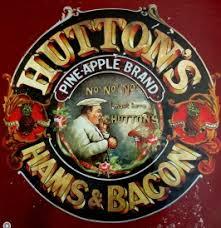
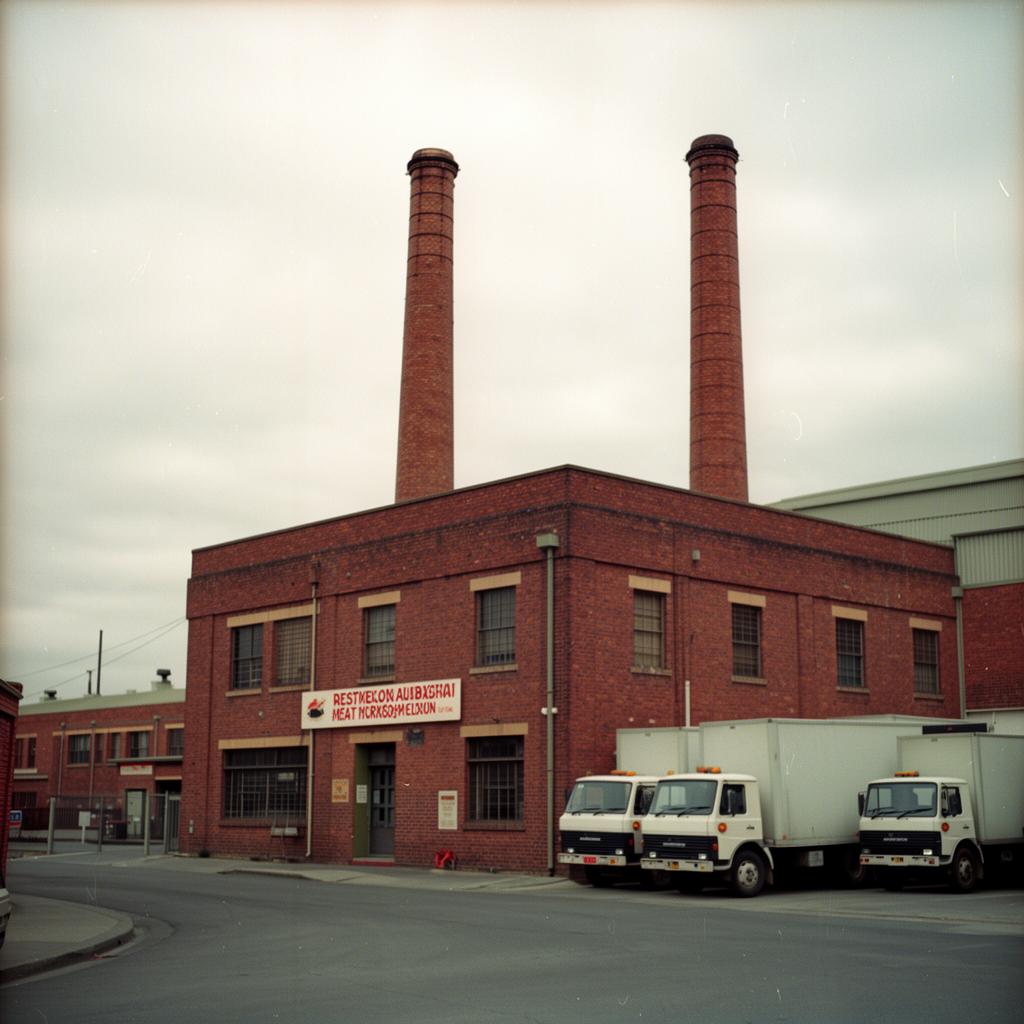
The Hutton's Group was an ASX-listed manufacturer of ham, bacon and smallgoods, founded in Preston, Melbourne in 1873 and ceased trading in 1983. I joined in 1979 as State Manager VIC/SA based in Preston. Nationally the group was making profits of about $3 million a year — but VIC/SA was underperforming badly.
- • Turning over $30M but losing ~$500,000 each year.
- • Oldest, least efficient factory in the group; inconsistent quality.
- • ~400 employees, the majority in the factory.
- • The worst industrial relations history of any Victorian meat processor.
- • Morale at rock bottom under a disinterested interim manager.
- • Customers from major supermarkets down to school tuck shops.
- • Brand leaders including AFL-endorsed "Footy Franks".
My mandate from the board was simple: do whatever it took to reverse the trend and deliver a meaningful profit.
Straight from the archives
The original Hutton's "Don't Argue!" TV spot
This commercial aired during Tony's time at Hutton's — a piece of brand history that captures the energy, pride and cheek behind the turnaround story.
Outcomes under new management
In mid-1982, in addition to my VIC/SA role, I was asked to lead a plan to rationalise sales and production in the eastern states. The board had gone onto the front foot as VIC/SA improvements grew its confidence. The positive signs spoke for themselves.
Annual trading results — Hutton's VIC/SA
| Year | Result |
|---|---|
| 1978/79 | −$500,000 |
| 1979/80 | Break even |
| 1980/81 | +$350,000 |
| 1981/82 | +$500,000 |
Why we succeeded
My confidence was low when I started at Preston — I knew little about ham, bacon and smallgoods. I deliberately avoided the "new broom" syndrome and spent my first few days listening and learning. In the end, it turned out to be relatively easy.
Fred the union delegate
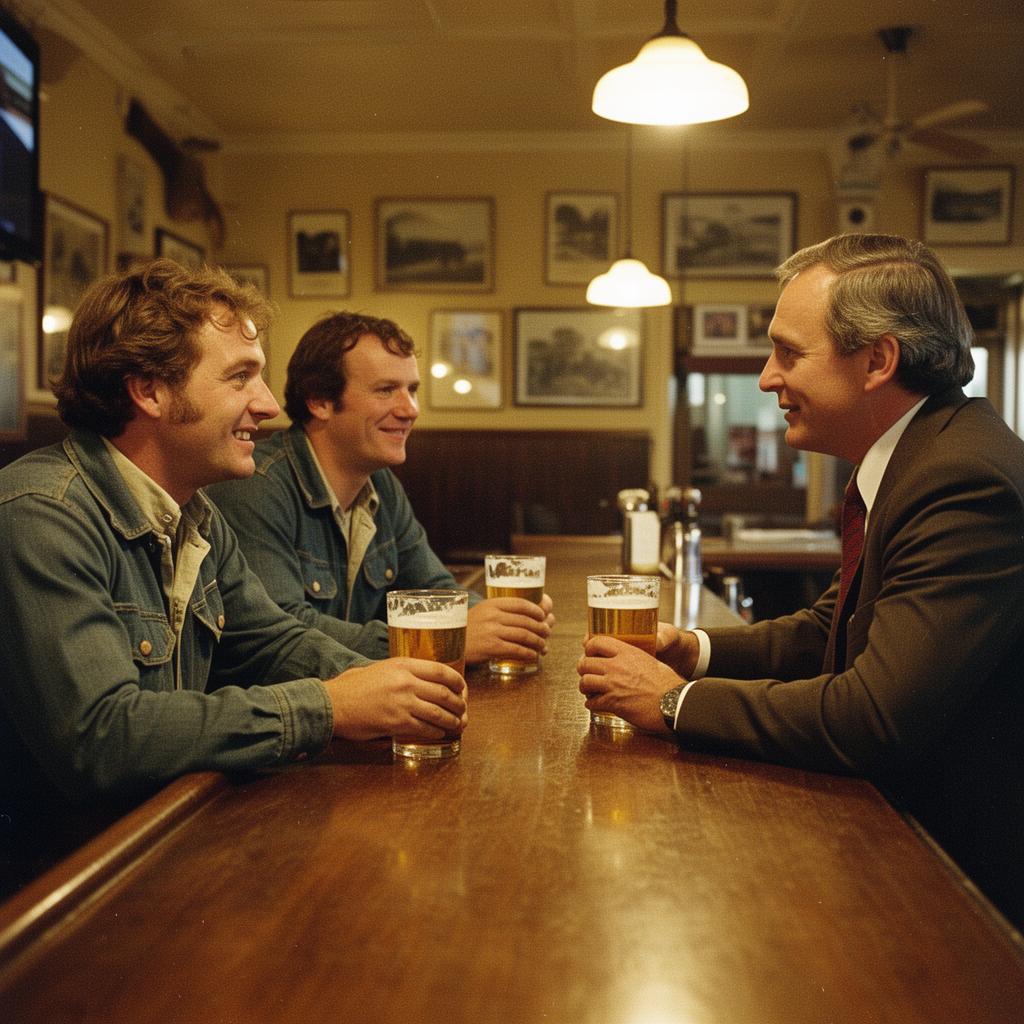
On about day three my secretary told me I had a standing 3.30pm Friday meeting with Fred, the union delegate. When I asked Fred whether he wanted the meetings to continue, he said: "No — I used to go only because RT wanted me to. We didn't talk about much." I told him to grab me whenever he had an issue, and if needed we'd resolve it at the nearby RSL over a schooner or two. From that day forth — no more stoppages.

Trust your people. Delegate.
I asked my senior team two questions. Do you know your responsibilities? Yes. Do you have the authority to make the decisions you need? No. Within a week, my people had the authority they needed and were told to only consult me if they hit a problem. KPIs trended upward from that week on.
MBWA, fair pricing, and a half-ham each
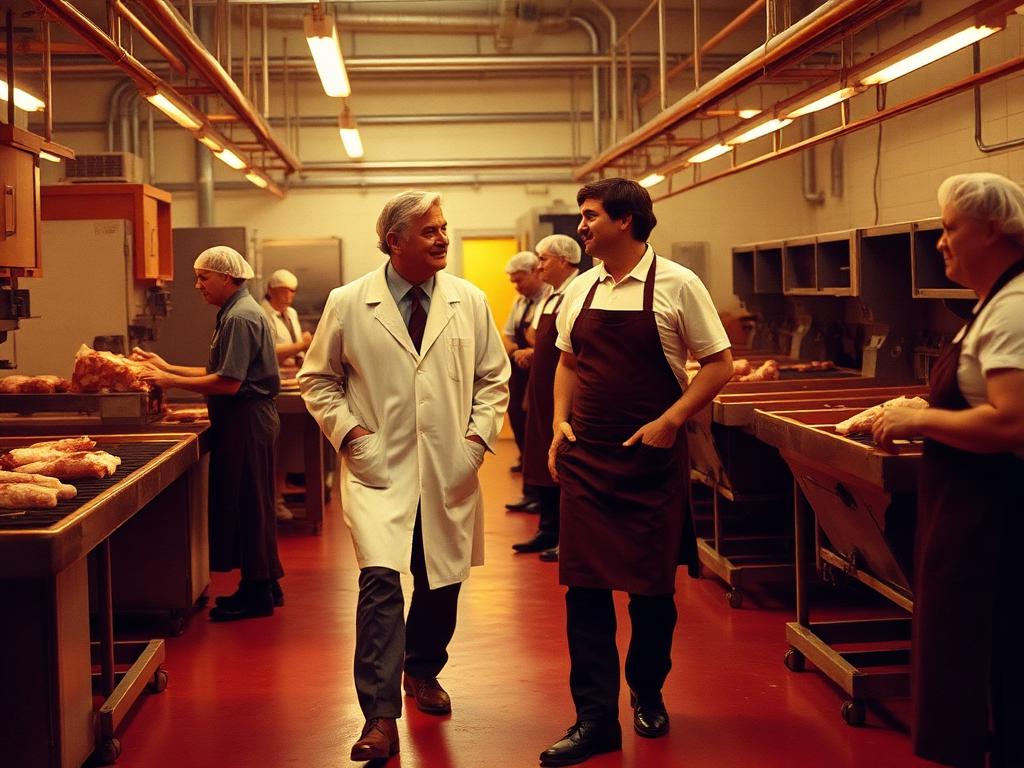
I went into the plant two or three times a day — management by walking about. We refused to join an illegal supermarket pricing cartel and set new gross-profit-based KPIs instead; volumes through the plant jumped. We turned an unused room into a gym, fielded a cricket team, and one Christmas — overstocked with round hams — we cut every one in half and gave each employee half a ham. The goodwill was immeasurable.
In the final analysis
In 1979 there had been enormous gaps between the board's expectations of a profitable VIC/SA branch and the reality of its performance. The morale — and no doubt the expectations — of the workforce were at rock bottom. Three years later, we had met the expectations of all our stakeholders.
Stakeholder
Board
VIC/SA profitable for the first time in decades. Brand recognition and group reputation riding high. Improving national results lifted the share price.
Stakeholder
Employees
Incomes no longer threatened by stoppages. Security at work restored. Pride and enjoyment in a stabilised workplace.
Stakeholder
Customers
Confidence restored through improvement in the quality of our nationally recognised products — helping them lift their own revenues.
The branch erupted into profitability primarily because we restored the workforce's trust in management. The antecedents of trust are ability, benevolence and integrity — and we had to prove ourselves trustworthy by displaying these traits in how we ran the business.
Ability
Industry knowledge and experience restored confidence in branch management and grew into mutual trust.
Benevolence
Taking the animosity out of IR, and the perks and activities we launched in appreciation of our workforce's efforts.
Integrity
Our refusal to join the supermarket pricing cartel was interpreted as evidence of management integrity.
All of this happened long before modern relationship metrics were conceived. As my career progressed I realised the way we succeeded at Hutton's reflected what is now called Human-Centred Leadership — in my opinion the only way to lead our multi-generational, multi-cultural workforces. These outcomes demonstrate the effectiveness of caring leadership — the style we encourage every client to adopt by deploying our services across their organisation.
Close the gap in your business
Discover how trust-based stakeholder relationships can transform your business performance.